
DNA Ligase Function
DNA Ligase Function: Role, Mechanism, and Applications in Molecular Biology
Introduction to DNA Ligase Function
The DNA Ligase Function is essential in molecular biology, as DNA ligase is the enzyme responsible for joining DNA strands together. It plays a critical role in DNA replication, repair, and recombination, ensuring the integrity and stability of genetic material.
Without DNA ligase, cells would not be able to properly maintain or replicate their DNA, leading to genetic instability.
What is DNA Ligase?
DNA ligase is an enzyme that catalyzes the formation of phosphodiester bonds between adjacent nucleotides in DNA.
In simple terms:
The DNA Ligase Function is to “glue” DNA fragments together.
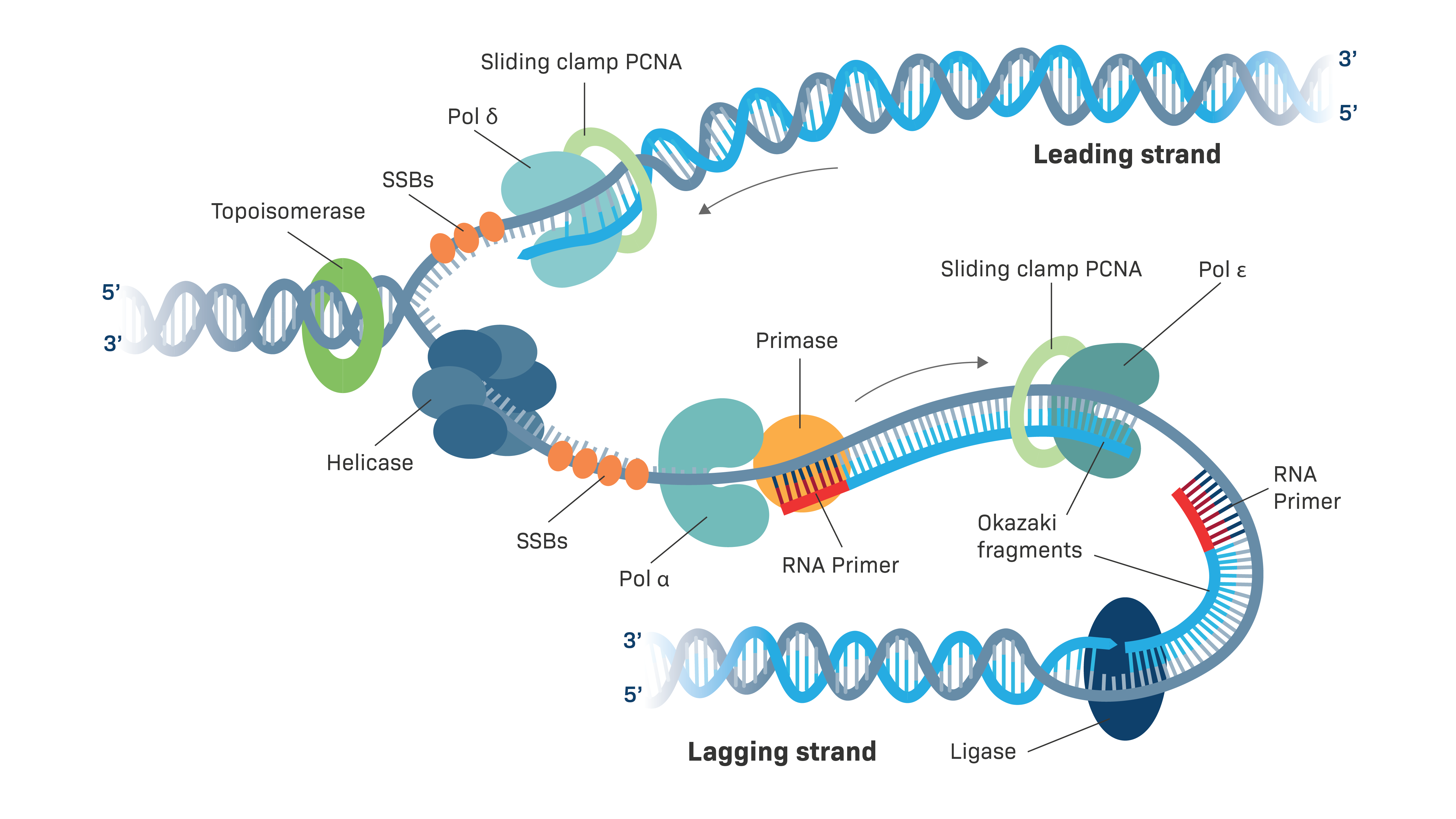
DNA Ligase Function in Cells
The DNA Ligase Function is involved in several vital cellular processes:
1. DNA Replication
During DNA replication:
- The lagging strand is synthesized in fragments called Okazaki fragments
- DNA ligase joins these fragments to form a continuous strand
This is one of the most important aspects of DNA Ligase Function.
2. DNA Repair
DNA damage occurs frequently due to:
- UV radiation
- Chemicals
- Replication errors
DNA ligase helps repair breaks in DNA strands by sealing nicks in the backbone.
3. Genetic Recombination
The DNA Ligase Function is crucial during recombination:
- Joins DNA fragments from different sources
- Enables genetic diversity
Mechanism of DNA Ligase Function
The DNA Ligase Function occurs in three main steps:
- Activation of DNA Ligase
- Ligase binds to ATP (or NAD⁺ in bacteria)
- AMP Transfer
- AMP is transferred to the DNA at the nick site
- Bond Formation
- A phosphodiester bond forms between adjacent nucleotides
- DNA backbone is sealed
Result: Continuous, stable DNA strand
Types of DNA Ligase
1. Prokaryotic DNA Ligase
- Uses NAD⁺ as a cofactor
- Found in bacteria
2. Eukaryotic DNA Ligase
- Uses ATP as a cofactor
- Found in human and animal cells
3. Viral DNA Ligase
- Encoded by viruses
- Assists in viral DNA replication
Applications of DNA Ligase Function in Biotechnology
The DNA Ligase Function is widely used in modern biotechnology:
1. Recombinant DNA Technology
- Joins DNA fragments from different organisms
- Essential for cloning
2. Genetic Engineering
- Used to insert genes into plasmids
3. PCR and DNA Sequencing
- Helps in DNA library preparation
4. CRISPR and Gene Editing
- Assists in repairing DNA after gene editing
Importance of DNA Ligase Function
The DNA Ligase Function is critical because it:
- Maintains DNA stability
- Ensures accurate DNA replication
- Prevents mutations
- Supports genetic engineering advancements
Advantages of DNA Ligase
- Highly specific enzyme
- Efficient in sealing DNA breaks
- Essential for laboratory techniques
Limitations of DNA Ligase
- Requires proper conditions (temperature, cofactors)
- Inefficient with incompatible DNA ends
- Sensitive to contamination
DNA Ligase Function vs DNA Polymerase
| Feature | DNA Ligase Function | DNA Polymerase |
|---|---|---|
| Role | Joins DNA fragments | Synthesizes DNA |
| Function | Seals nicks | Adds nucleotides |
| Importance | DNA repair & replication | DNA synthesis |
Frequently Asked Questions (FAQs)
What is DNA Ligase Function?
The DNA Ligase Function is to join DNA strands by forming phosphodiester bonds.
Why is DNA ligase important?
It is essential for DNA replication, repair, and genetic engineering.
What happens without DNA ligase?
DNA strands remain fragmented, leading to errors in replication and repair.
Where is DNA ligase used?
In cells and biotechnology labs for cloning and DNA manipulation.
Conclusion
The DNA Ligase Function is a cornerstone of molecular biology. From maintaining DNA integrity in living organisms to enabling advanced genetic engineering techniques, this enzyme plays a vital role in both natural and laboratory processes.
Understanding DNA ligase is crucial for students, researchers, and professionals working in genetics, biotechnology, and biomedical sciences.
Recent Posts
-
HyperLadder™ 1kb
MOLECULAR BIOLOGY REAGENT HyperLadder™ 1kb Ready-to-use DNA molecular weight marker for size deter …24th Aug 2026 -
How to Inactivate Proteinase K
How to Inactivate Proteinase K: Complete Guide for Molecular Biology Labs Introduction In molecular …5th May 2026 -
Western Blot System
Western Blot System: Complete Scientific Guide for Protein Detection What Is a Western Blot System? …27th Apr 2026